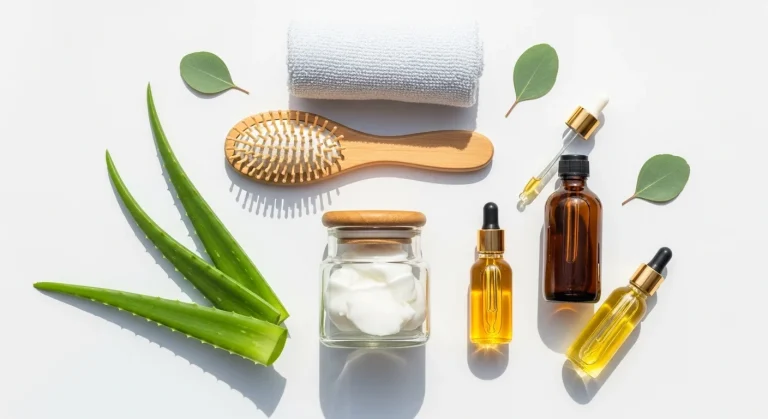
8 Powerful Itchy Scalp Remedies That Soothe and Heal Fast for Healthy Hair
An irritated scalp can ruin your day—itching, flaking, and redness often come from dryness, product buildup, or mild dandruff. The good news is that effective itchy scalp remedies are easier than you think, using dermatologist-favored ingredients and simple routines you can do at home. From targeted oils that calm inflammation to rinses that rebalance pH and masks that restore moisture, you’ll learn quick, practical ways to soothe the itch and support a healthier scalp barrier. Expect gentle options for sensitive skin, easy steps with pantry staples, and smart tips to prevent future flare-ups—so you can get back to comfortable, confident hair days without the scratching.
1. Soothe Inflammation with Aloe Vera Gel
Aloe vera is one of the most soothing natural ingredients you can use when your scalp feels itchy or irritated. It contains enzymes and anti-inflammatory compounds that calm redness and reduce the urge to scratch almost instantly. The gel also deeply hydrates the scalp, which helps prevent further dryness that often triggers irritation. Using aloe vera regularly can also help with flaking by gently exfoliating dead skin cells. It’s lightweight, cooling, and safe for all scalp types, including sensitive skin.
How to Use
For best results, use fresh aloe gel straight from the plant rather than store-bought versions with added chemicals. Apply it generously to your scalp, let it sit for 20 minutes, and rinse with lukewarm water. Repeat two or three times a week for long-lasting relief from itchiness.
2. Itchy Scalp Remedies Using Apple Cider Vinegar Rinse
Apple cider vinegar is a powerful natural remedy for an itchy scalp because it helps rebalance the scalp’s pH level. An unbalanced pH can lead to dryness, irritation, and even mild fungal growth, which worsen itching. The mild acidity of apple cider vinegar removes excess buildup from hair products that can clog pores and inflame the scalp. It also has antibacterial and antifungal properties that fight off microbes causing scalp discomfort. The rinse leaves the scalp feeling fresh, clean, and less greasy, which can also reduce dandruff flakes.
How to Use
Just mix two tablespoons of apple cider vinegar with one cup of water and pour it over your scalp after shampooing. Let it sit for about five minutes before rinsing it out completely. Doing this once or twice a week can bring visible improvement.
3. Moisturize Dryness with Coconut Oil Massage
Coconut oil is a time-tested remedy for soothing dry, itchy scalp thanks to its rich content of fatty acids like lauric acid. It penetrates the hair shaft and scalp easily, delivering deep hydration that reduces flaking and tightness. The anti-inflammatory properties of coconut oil also help calm irritation and redness. It forms a protective barrier on the scalp that locks in moisture and shields it from environmental damage. Regular massages with coconut oil can also boost blood circulation, encouraging healthier hair growth. This simple remedy can be done before bedtime for the best results.
How to Use
Just warm a few tablespoons of coconut oil, massage gently into your scalp, and leave it overnight. Wash it off the next morning with a mild shampoo to reveal a soothed and nourished scalp.
4. Calm Itch with Tea Tree Oil Drops
Tea tree oil is widely used to treat itchy scalp issues caused by dandruff or minor infections because of its strong antifungal and antibacterial powers. It works by reducing the presence of yeast and bacteria that often lead to scalp inflammation. A few drops can help unclog hair follicles and allow the scalp to breathe better, easing itchiness and dryness. Tea tree oil also promotes healing of small scalp irritations and reduces flaking. Its refreshing and cooling sensation brings quick relief when your scalp feels inflamed or hot. However, because it’s very potent, it should always be diluted before use to avoid irritation.
How to Use
Add three to four drops into your shampoo or mix with a carrier oil like coconut or jojoba. Apply the blend to your scalp for 20–30 minutes before rinsing thoroughly.
5. Hydrate and Soothe with Oatmeal Paste
Oatmeal is not just a comforting breakfast—it’s also a gentle remedy for an itchy and inflamed scalp. It contains natural anti-inflammatory compounds called avenanthramides, which calm redness and reduce irritation. Oatmeal is especially useful for people with sensitive or easily reactive skin, as it provides soothing moisture without causing further dryness. It forms a protective film on the skin that helps retain hydration and strengthen the scalp barrier. This can reduce itching caused by dryness or environmental stress.
How to Use
To use it, blend plain oats into a fine powder and mix with water to create a smooth paste. Apply this paste to your scalp for 15–20 minutes, then rinse with lukewarm water. Doing this once or twice a week helps restore comfort and softness to your scalp.
6. Reduce Flakes with Lemon Juice
Lemon juice is naturally acidic, which makes it effective at controlling excess oil and reducing dandruff—a common cause of itchy scalp. The citric acid in lemons helps break down product buildup that can clog follicles and lead to irritation. It also balances the scalp’s pH level, making it less inviting for dandruff-causing fungi to thrive. The vitamin C in lemon juice further nourishes the scalp and promotes healthier skin. However, lemon juice can be strong, so it should always be diluted to avoid stinging or dryness.
How to Use
Mix equal parts of lemon juice and water and gently apply it to the scalp. Leave it for just five minutes and rinse thoroughly. Use this method once a week and follow up with a moisturizing conditioner to prevent dryness.
7. Relieve Irritation with Peppermint Oil
Peppermint oil is known for its refreshing cooling effect, which can instantly relieve itching and discomfort on the scalp. It improves blood circulation, helping to nourish the scalp and promote healing of minor irritations. The menthol present in peppermint oil creates a soothing sensation that calms inflammation and reduces the urge to scratch. It also has mild antimicrobial properties that keep the scalp clean and fresh. Because it’s highly concentrated, peppermint oil must be diluted with a carrier oil before applying directly to the scalp.
How to Use
Mix two or three drops with coconut or olive oil and massage gently into your scalp. Leave it on for 20 minutes before rinsing out thoroughly. Regular use once a week can keep your scalp feeling cool, fresh, and itch-free.
8. Nourish the Scalp with Yogurt Mask
Yogurt is a simple yet powerful remedy for itchy scalp thanks to its natural probiotics and lactic acid. These elements help control dandruff-causing fungi while also gently exfoliating dead skin from the scalp. Yogurt deeply hydrates dry skin and creates a soothing, cooling effect that eases irritation. It also restores the scalp’s natural protective barrier, making it more resistant to dryness and inflammation. This creamy mask works especially well if your scalp feels hot, tight, or inflamed after styling products or heat.
How to Use
To use it, apply plain unsweetened yogurt directly onto the scalp and leave it for about 30 minutes. Rinse with lukewarm water and let your hair air-dry. Repeat this treatment once a week to maintain a healthy and itch-free scalp.
Conclusion
Dealing with an itchy scalp can be frustrating, but the right care can bring fast and lasting relief. Simple natural ingredients like aloe vera, coconut oil, tea tree oil, and yogurt can calm irritation, reduce flakes, and restore moisture to your scalp. Consistency is key—using these itchy scalp remedies regularly will not only soothe discomfort but also improve your overall scalp health and hair growth. Choose the remedies that suit your scalp type best, stay gentle with your routine, and enjoy the comfort of a healthy, itch-free scalp.